

Hawthorn, May Blossom, Quickthorn, Beltane Tree, Faerie Tree, Bread & Cheese
Crataegus monogyna
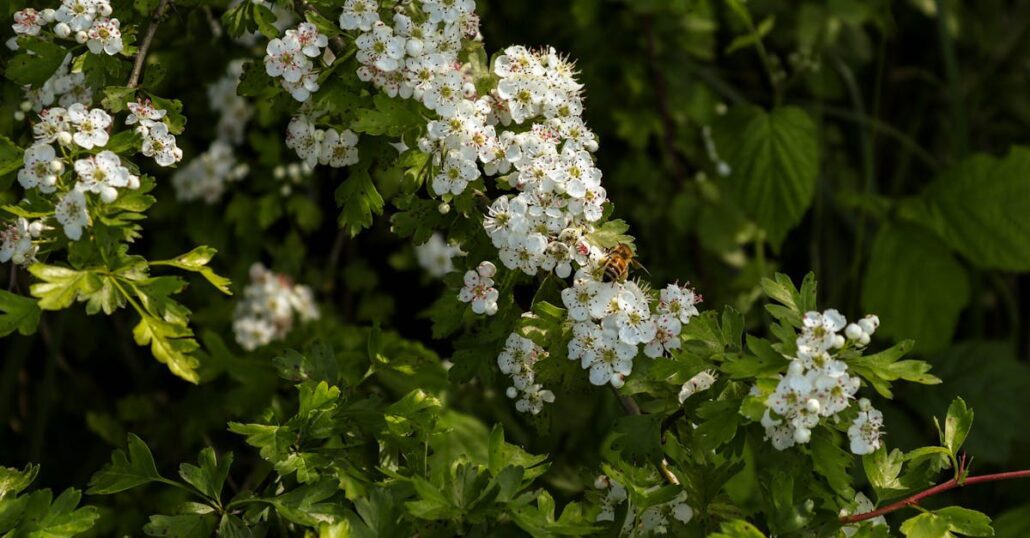
Hawthorn in full blossom – a tree cherished for centuries for its beauty, folklore, and medicinal properties.
Hawthorn is definitely more than a pretty tree with awesome spring blossoms – it is a remarkable plant with a rich history, powerful use as a medicine, and an important role in the natural world. From ancient folklore and traditional remedies to modern scientific validation, hawthorn has been cherished for its ability to support the heart, nurture the body, and inspire the imagination.
With several hundred species of Crataegus, mainly found and used across the northern temperate zone, it is officially listed in the pharmacopoeias of several European countries, and also China. Here we focus on the European hawthorn – a major medicinal and edible plant with a wide range of pharmacological activities.
Hawthorn is above all a tree for the heart.
Folklore
Long associated with “opening the heart,” hawthorn was given as a tonic against weakness in old age. Folklore often described hawthorn trees as inhabited by fairies, while in some parts of the UK their fruits were called “pixie pears.” The tree still features in spring festivals such as Beltane, celebrated for its abundant blossom.

Traditional Use
Hawthorn was used by the ancient Greeks and Romans, but only gained recognition in Western medicine in 1894. That year, the daughter of an Irish doctor, Dr. Green, revealed from her father’s notes that he had been using it extensively—but secretly—for treating heart disease. Traditionally, hawthorn is also used for indigestion, dysmenorrhea, and osteoporosis.
Fresh spring leaves and flowers are edible and traditionally called “bread and cheese” in the UK, reflecting hawthorn’s use as a modest yet vital food source for communities in the past.
Clinical Verification
Today, controlled clinical trials confirm hawthorn’s powerful benefits for health health:
- improving cardiac function
- treating angina, chronic heart disease, and mild to moderate heart failure
- lowering high blood pressure and blood lipids
In one large RCT, hawthorn added to standard therapy for heart failure reduced the incidence of sudden cardiac death by 39% compared with placebo.
It has been proven safe for people with heart disease, shown to improve exercise tolerance, and to relieve symptoms such as dyspnea and fatigue in chronic heart failure.


How It Works
Hawthorn strengthens the heart muscle’s force of contraction and supports blood vessels. In laboratory models of myocardial infarction, it prevents cell death. It also inhibits angiotensin-converting enzyme (ACE) – the same mechanism as certain blood pressure drugs. Research further shows hawthorn has:
- strong phytoestrogen activity
- antioxidant, anti-inflammatory & hypoglycemic effects
- protective effects against diabetic-induced injury in organs including the pancreas, stomach, liver, heart, blood vessels, kidney, and brain
- additional studies highlight antitumour, liver-protective, antimicrobial, and immunomodulatory properties.
Chemicals
Over 300 compounds have been identified in hawthorn, including:
- Flavonoids: vitexin, hyperoside, rutin, especially procyanidins
- Triterpene acids: ursolic, oleanolic, cratefolic
- Phenolic acids: chlorogenic, caffeic
- Other groups: lignans, monoterpenoids, sesquiterpenoids
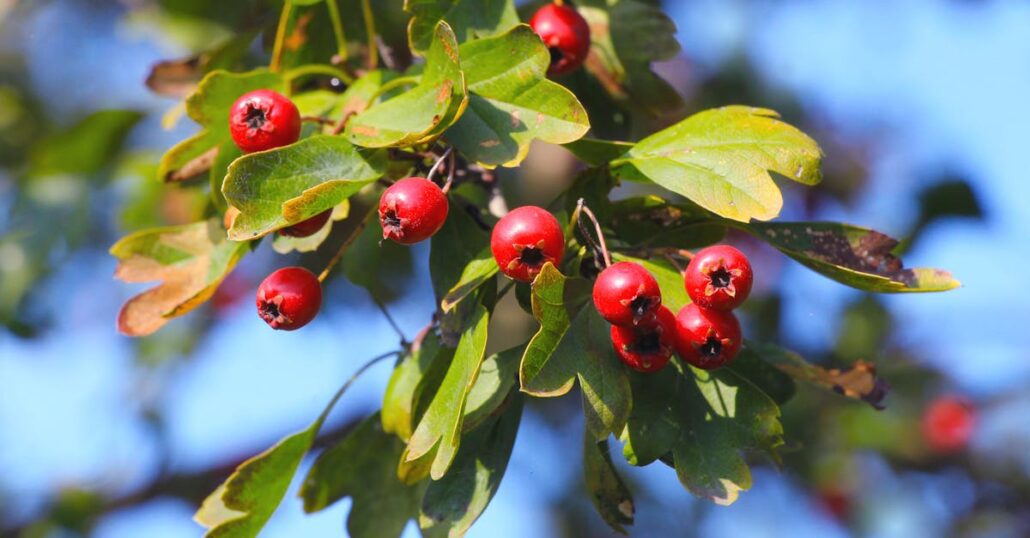
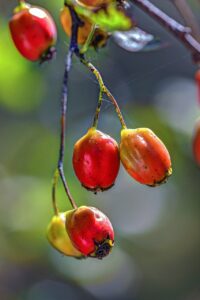
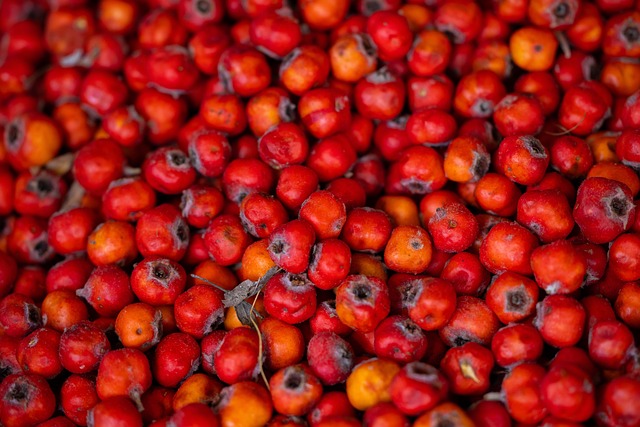
Haws (fruits) are rich in vitamin C
How to Take It
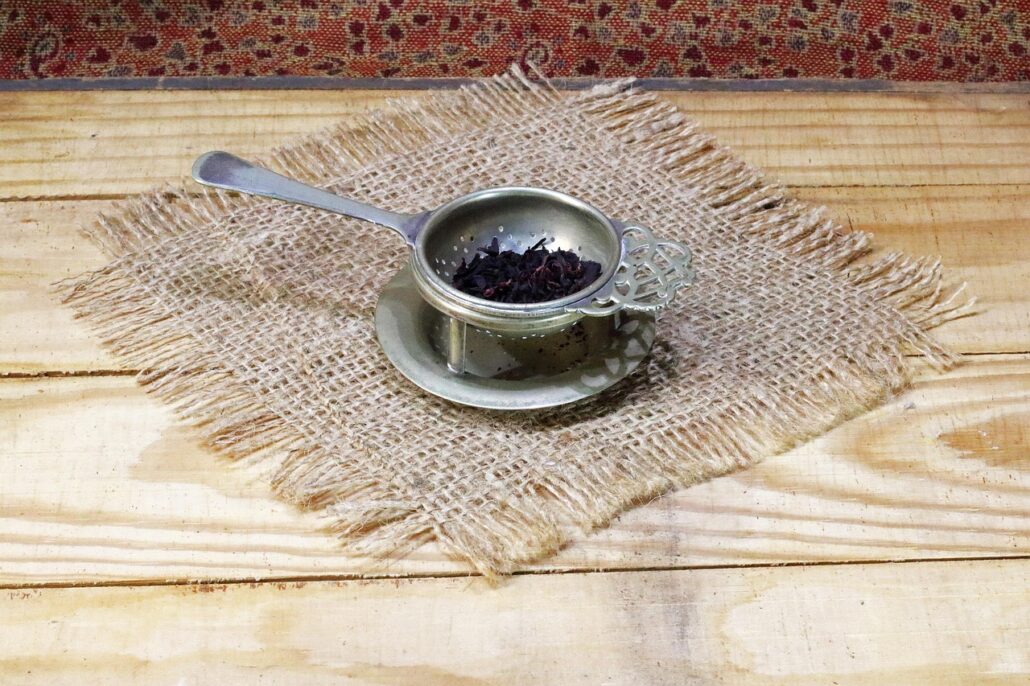
Fresh spring leaves and flowers are edible. Jellies and preserves are commonly made from the berries, while the flowers and berries can be used in teas, wines, syrups and cordials.
For heart conditions: A recommended form is a tincture made from the berries (1–5 g berries daily). Capsules are also available – higher doses (900–1800 mg/day) are linked to greater cardiovascular efficacy.
Long-term tonic – hawthorn may take several months to show its effects, and it can be taken long term: Haws are considered gentle and can be taken over months for ongoing cardiovascular or circulatory support.
Safety
Hawthorn has very low toxicity, and long-term use is considered safe. Occasional side effects such as dizziness and nausea have been reported.
There are no reported adverse drug interactions, though there is a theoretical risk of interaction due to additive effects or potential effects on digoxin clearance, but strong clinical evidence of harm is lacking. A robust survey about combining hawthorn with digoxin is required, though RCTs show hawthorn does not significantly alter the pharmacokinetics of digoxin, meaning they may be co-administered safely. Most herbalists and clinicians consider hawthorn safe in patients on digoxin if: digoxin levels are monitored, the patient is clinically stable, the patient is aware of signs of digoxin toxicity (nausea, visual changes, arrhythmias).
Wildlife
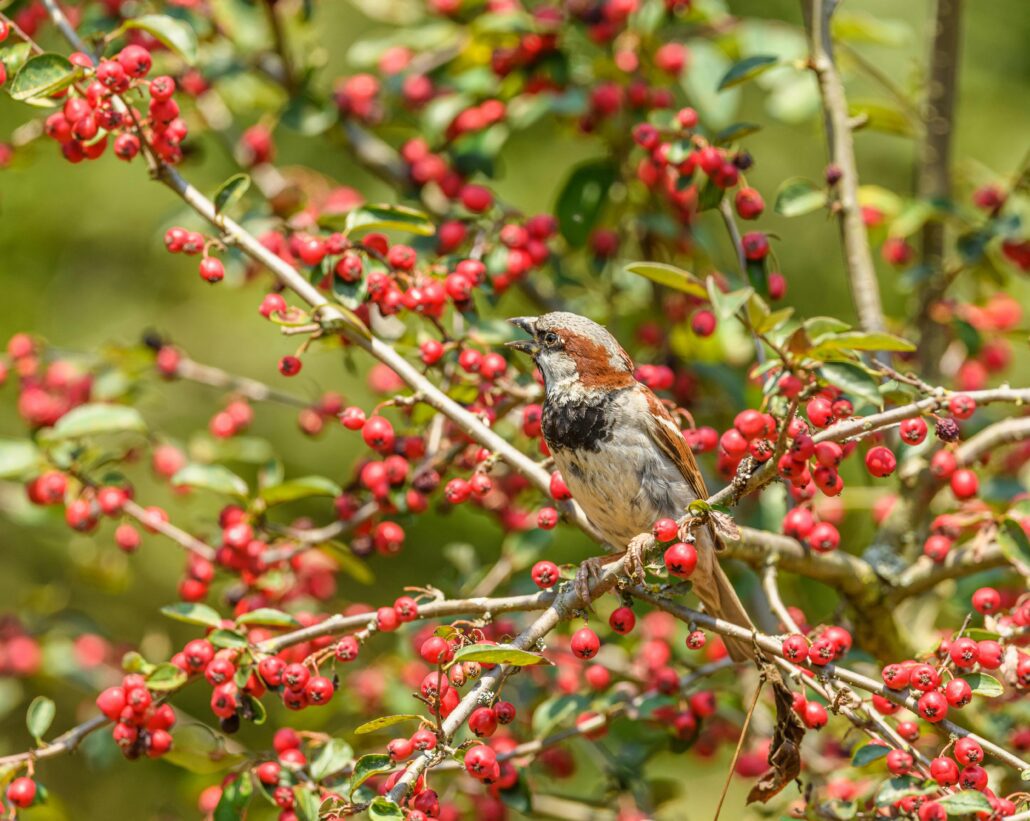
Hawthorn is also a keystone species for wildlife and forms a familiar tree in our hedgerows. Its dense branches provide shelter and nesting sites for birds and small mammals, while the blossoms feed nectar-loving insects. The tree supports the larvae of many moths, including the small eggar (Eriogaster lanestris). In autumn and winter, the bright red haws are a not only harvested by humans – they’re a vital food source for birds such as thrushes and waxwings, who in turn spread the seeds.
Further Reading
Explore more of the science behind hawthorn’s medicinal effects, here are some key studies from reputable journals:
European Medicines Agency: Hawthorn
Clinical Efficacy of Crataegus Extract WS 1442 in Congestive Heart Failure. Scientific Reports (2024) -This study demonstrated that Crataegus extract WS 1442 significantly improved exercise tolerance and quality of life in patients with New York Heart Association (NYHA) class II heart failure.
Hawthorn (Crataegus spp.) Clinically Significantly Reduces Blood Pressure in Hypertension. Pharmaceuticals (2025) –
A meta-analysis of randomized, placebo-controlled trials concluded that hawthorn preparations significantly reduce systolic and diastolic blood pressure in hypertensive patients.
Roles and Mechanisms of Hawthorn and Its Extracts on Atherosclerosis. Frontiers in Pharmacology (2020) – this review revealed that hawthorn extracts possess serum lipid-lowering, antioxidative, and cardiovascular protective properties, thus gaining popularity.
Hawthorn (Crataegus spp.) in the Treatment of Cardiovascular Disease. Phytotherapy Research (2010) – This meta-analysis of randomized, placebo-controlled trials demonstrated that hawthorn extracts improve symptoms and exercise tolerance in patients with chronic heart failure.
Effect of Crataegus Usage in Cardiovascular Disease Prevention. Journal of Clinical Medicine (2013) – This study concluded that hawthorn is effective in lowering blood lipid levels and improving cardiovascular health.
