
Here we celebrate the world’s most scientifically proven botanical calm balms.
Humans have used the plants around them to help calm the mind and soothe the nervous system throughout history. Today, these traditional medicines are being investigated in controlled clinical trials around the globe, giving us a growing evidence base for their use in managing day-to-day stress and anxiety, and importantly, giving us choice and options in managing the treatment of anxiety disorders.
At Dilston Physic Garden, we’re particularly interested in the medicinal plants supported by scientific research, since this helps bring together the worlds of pharmaceutical and plant medicine to give us evidence-based modern healthcare.
Please note this blog may take some time to read, so pour yourself a calming cup of tea and settle in for a 10-minute relaxed read.
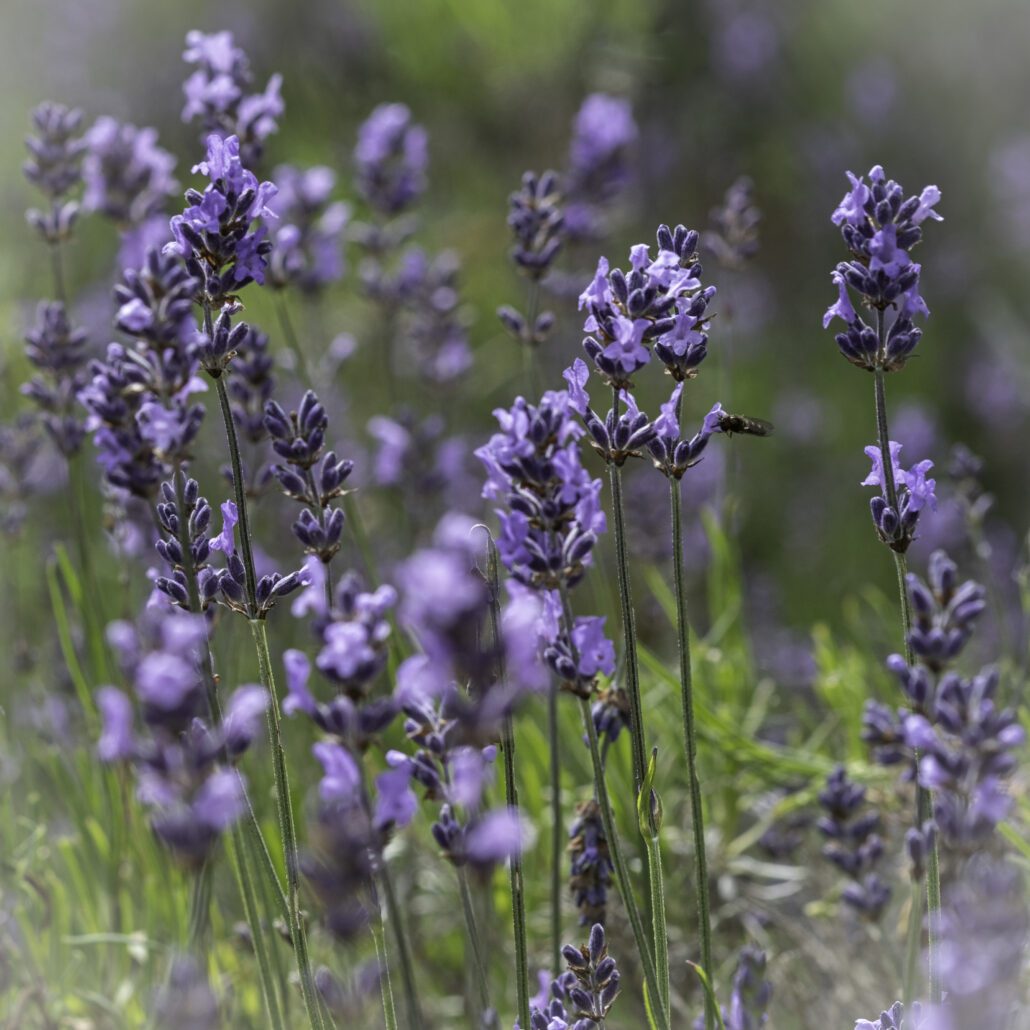
How do plants calm?
Calming medicinal plants contain bioactive compounds that influence our mood and wellbeing signals serotonin and dopamine, that influence the excitatory signal glutamate, and many increase the brain’s main calming signal, GABA. This neurotransmitter helps lower neuronal activity, giving us a sense of calm, lowering anxiety. Pharmaceutical medicines like the monoamine oxidase inhibitors, serotonin reuptake inhibitors, and benzodiazepines also work on these brain signals.
Calming plant medicines however, act simultaneously on more of the brain signals involved in mood, stress responses, wellbeing, and also sleep.
For example a single plant medicine can influence in parallel serotonin, dopamine, noradrenaline, glutamate, GABA, the opioid pain and wellbeing system and the sleep melatonin, adenosine and beta-carboline signals.
These plants provide us with what we can refer to as Network Pharmacology Medicine – medicine that works by more than one mechanism to help counter a disorder.
Our research into calming plants
Our interest in calming plants began with research into plant-based approaches to support people living with dementia. With funding from the Mental Health Foundation, our team explored whether aromatherapy using essential oils from traditional medicinal plants could help reduce anxiety and agitation.
Our first clinical trial investigated lemon balm (Melissa officinalis) and produced encouraging results. This work helped strengthen our interest in the potential of medicinal plants to support mental wellbeing and inspired us to continue exploring the evidence behind calming botanicals.


What does this resource contain?
This resource explores some of the medicinal plants with the strongest body of controlled clinical evidence for relieving stress and anxiety – lavender, ashwagandha, passionflower, kava kava, and German chamomile.
Together, these plants have been investigated in dozens of randomised controlled clinical trials involving thousands of participants and provide some of the best examples of how modern science can evaluate traditional plant medicines.
We explore the science behind how they work, alongside the traditional knowledge that has guided their use for generations. We also refer to head-to-head trials that compare the plant medicine with the pharmaceutical drug equivalent for the same condition, where they have been studied.
Finally, and not least, we finish with all of the other medicinal plants yet to add to this list – the plants that have renowned anxiety and stress reducing effects but are awaiting more clinical study.
1. Ashwagandha - Withania somnifera
For a medicinal plant with a long history of traditional use, ashwagandha is a good example of how modern clinical research is validating traditional claims and providing options for medication that can help us cope better with stress and anxiety.
Ashwagandha is one of the best-known medicinal plants in Ayurvedic medicine, traditionally used as a restorative tonic to strengthen the body and calm the nervous system. Modern clinical research is now backing up its ability to reduce stress and anxiety, while also investigating its effects on sleep, wellbeing and cognitive function.
About the plant
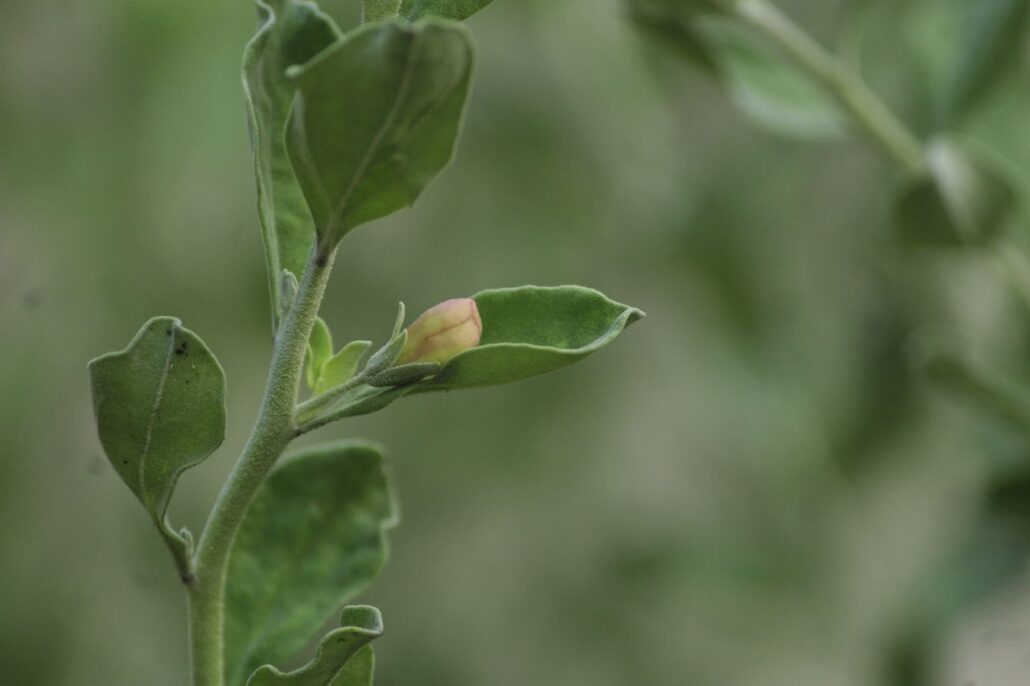
Ashwagandha is a small shrub in the potato /nightshade family that thrives in dry regions. It grows to around 1.5 metres, has oval leaves, greenish-yellow flowers and bright red berries. Native to parts of Asia and Africa, it’s now cultivated more widely.
The roots are the most commonly used medicinal part, although the leaves and berries are also used in traditional medicine. The name Withania somnifera means “sleep-inducing”, reflecting its traditional use as a calming and restorative plant. The name ashwagandha comes from Sanskrit and refers both to the distinctive smell of the plant and the traditional belief that it imparts the strength and vitality of a horse.
History and tradition
Ashwagandha has been used in Ayurvedic medicine for centuries as a restorative tonic, traditionally prescribed to strengthen the body, support the nervous system, promote restful sleep and help people adapt to physical and emotional stress. It’s sometimes described as an adaptogen, a relatively recent term within plant medicine, for plants that help the body adapt to stress. Traditionally, it’s been used during recovery from illness and for age-related weakness and fatigue.
What does the clinical research show?
Ashwagandha is now one of the most extensively studied medicinal plants for stress and anxiety. Several randomised, double-blind, placebo-controlled trials have reported reductions in stress and anxiety symptoms compared with placebo.
An early placebo-controlled trial involving 64 adults experiencing chronic stress found that 60 days of a high-concentration full-spectrum ashwagandha root extract produced significantly greater improvements than placebo across several measures of stress and anxiety. The ashwagandha group also had a significantly greater reduction in serum cortisol, a key hormone involved in the body’s stress response. pubmed.ncbi.nlm.nih.gov.
A 60-day randomised, placebo-controlled study of 60 adults with high levels of stress found that a standardised ashwagandha extract (Shoden) produced a statistically significant reduction in Hamilton Anxiety Rating Scale scores compared with placebo. The study also found greater reductions in cortisol. pubmed.ncbi.nlm.nih.gov
In more recent research, a 2024 randomised placebo-controlled trial studied 60 people with high stress and anxiety, including participants meeting criteria for generalised anxiety disorder. Two doses of a standardised root and leaf extract were compared with placebo over 60 days, with the study reporting improvements in anxiety and stress measures as well as changes in cortisol. pmc.ncbi.nlm.nih.gov.
Another 2024 double-blind placebo-controlled trial involving 70 people with mild-to-moderate anxiety and depression found that a standardised ashwagandha root extract taken for 90 days improved anxiety scores compared with placebo, alongside improvements in depression, sleep quality and quality of life. pubmed.ncbi.nlm.nih.gov
In 2025 a randomised, double-blind, placebo-controlled trial of 90 adults with mild-to-moderate stress found that an ashwagandha formulation containing standardised withanolides improved perceived stress, anxiety symptoms, mood and sleep quality over 84 days compared with placebo. pubmed.ncbi.nlm.nih.gov.
A 2026 randomised placebo-controlled trial also reported significant improvements in anxiety and stress measures in people with stress and anxiety alongside hypertension and cardiometabolic risk factors. The study found reductions in Hamilton Anxiety Rating Scale, GAD, and Perceived Stress scores, together with reductions in cortisol and some cardiovascular risk markers. pubmed.ncbi.nlm.nih.gov
Taken together, the clinical evidence, alongside a 2024 systematic review and meta-analysis of the randomised controlled trials, shows ashwagandha formulations have beneficial effects on anxiety, particularly in people experiencing chronic or high levels of stress.
How does ashwagandha work?
Laboratory research shows that ashwagandha acts on several of the brain and body systems involved in stress and emotional responses. Its bioactive compounds influence the calming signal GABA, as well as the excitatory signal glutamate, the mood and memory signals serotonin and acetylcholine, as well as opioid pathways involved in arousal, mood, memory and pain.
Ashwagandha also influences the body’s hypothalamic-pituitary-adrenal axis, which coordinates the physiological response to stress, concurring with its reputed adaptogenic actions and several controlled clinical trials that reported reductions in cortisol alongside improvements in stress and anxiety measures.
The plant’s withanolides and other constituents also have antioxidant and anti-inflammatory properties that are being investigated for their potential effects on the brain and nervous system.
Key ingredients
The best-known bioactive constituents of ashwagandha are related steroidal lactones, the withanolides, together with other compounds including alkaloids. As with all medicinal plant extracts different preparations can contain different concentrations of these compounds, which is one reason that clinical results from one preparation cannot necessarily be extrapolated to another.
Safety
Ashwagandha is well tolerated, and all controlled clinical trials report no serious adverse events. Reported adverse effects can include gastrointestinal upset and drowsiness. Ashwagandha may affect thyroid function and may interact with certain medicines, including sedatives, immunosuppressants and those affecting thyroid function and blood glucose.
Anyone who is pregnant or breastfeeding, has liver or thyroid disease, or takes regular medication should seek advice from a healthcare professional before using ashwagandha. As with all medicinal plants, products should be obtained from reputable suppliers, and the preparation and dose should be considered carefully.
2. Kava-kava - Piper methysticum
Kava is the famous South Pacific calming tonic, traditionally prepared as a drink from the roots / rhizomes of Piper methysticum. It has a substantial body of controlled clinical research behind it, particularly for anxiety and nervous tension. Unlike conventional sedative drugs, kava has traditionally been valued for promoting a relaxed, sociable state while allowing people to remain relatively alert. Some say taking it gives similar effects to having a glass of wine, but that it doesn’t give a hangover.

About the plant
An evergreen shrub in the pepper family, Piper methysticum can grow to around 10 metres tall and its large, shiny, heart-shaped leaves are a delight. It grows throughout the Pacific Islands, from Melanesia eastwards to Hawaii and can be grown in pots indoors.
The plant is propagated from runners, and it’s the root and underground stems, or rhizomes, that are traditionally used.
Kava is prepared as a drink with a very distinctive earthy, bitter taste and a characteristic numbing sensation in the mouth.
Traditional use
Kava has been used for thousands of years throughout the Pacific Islands, where it holds an important cultural and ceremonial role. Known as ‘awa in Hawaii, it was carried across the Pacific by Polynesian voyagers and remains an important part of traditional ceremonies and social gatherings.
Traditionally, kava has been used to promote relaxation, sociability and a sense of calm, including in children. Its effects have often been described as producing relaxation without the loss of awareness associated with stronger intoxicants. It has also been used traditionally for a variety of other purposes, including pain relief and restlessness.
What does the clinical research show?
Kava is another of the better-studied medicinal plant for anxiety, with a number of randomised controlled clinical trials investigating its effects. Early placebo-controlled trials using standardised kava extracts reported significant reductions in anxiety and nervous tension compared with placebo.
A systematic review of seven randomised, double-blind, placebo-controlled trials concluded that kava was efficacious for anxiety, although the studies were relatively small and the authors called for larger and more rigorous research. A later systematic review of five trials involving 330 participants, also concluded kava efficacious for anxiety.
Head-to-Head. One key study – an eight-week, double-blind multicentre trial compared a standardised kava extract with the prescription medicines buspirone and opipramol in 129 people with generalised anxiety disorder. The three treatments did not differ in their measures of efficacy or safety, showing that kava was equal in efficacy to these medicines in this study.
A particularly interesting placebo-controlled trial investigated an aqueous kava extract in people with elevated generalised anxiety. After three weeks, anxiety scores fell significantly with kava than with placebo, with a large effect size reported by the researchers.
A subsequent controlled trial in people with diagnosed generalised anxiety disorder also found a significant reduction in anxiety with kava compared with placebo, with a moderate effect size. Among participants with moderate-to-severe generalised anxiety disorder, the effect was larger, and 26% of those receiving kava met the study’s criteria for remission compared with 6% receiving placebo.
However, the evidence is not entirely consistent. A larger 16-week, phase III randomised, double-blind, placebo-controlled trial involving 171 people with diagnosed generalised anxiety disorder found no significant difference in anxiety reduction between kava and placebo. The differences in this later study may reflect the complexity of medicinal plant research, with different trials using different extracts, doses and populations, and where kava may potentially be more effective for some forms of anxiety.
A systematic review and meta-analysis of complementary treatments for generalised anxiety disorder found that the kava trials were highly heterogeneous, highlighting the need for further high-quality research.
Taken together, the controlled clinical evidence confirms that kava is an anxiolytic, having the same effects as some pharmaceutical drugs and is not addictive. The evidence is strongest for certain standardised preparations and for some forms of anxiety, while the results in diagnosed generalised anxiety disorder have been mixed.
How does it work?
Kava contains a group of compounds known as kavalactones, including kavain and yangonin. Studies indicate that kava and its constituents influence several signalling systems in the nervous system. These include the brain’s GABA pathways, which regulate neuronal activity and promote relaxation, as well as monoamine signalling involving serotonin, noradrenaline and dopamine that are involved in mood, arousal and emotional responses.
Kava also influences signalling pathways involved in pain, including opioid and histamine systems. Some of its constituents have antispasmodic and local anaesthetic properties, consistent with its traditional use for physical tension and pain as well as its calming effects.
It’s kava’s / the kavalactones effects act on several targets within the nervous system, which help explain its distinctive combination of physical relaxation and psychological calming.
How is it used?
The root and rhizome are the medicinal parts of the plant. Traditionally, kava is prepared as a water-based drink, while modern preparations are available as teas, capsules and standardised extracts. Kava is not taken as a tincture. Clinical studies have most commonly used standardised extracts providing around 120 to 280 mg of kavalactones daily, although doses vary between products.
Water-based extracts are used traditionally and clinical research has focused on these preparations. Alcohol extracts should not be taken. Always follow the manufacturer’s recommended dosage and avoid prolonged continuous use without professional advice.
Safety
Most controlled trials have reported good tolerability. Concerns about rare cases of serious liver injury that led to restrictions and regulatory action in several countries, which have now been lifted, were in relation to some commercial kava products and involved several factors, including the type of extract used, product quality, contamination, individual susceptibility and interactions with other substances.
Kava should not be used by people with liver disease and should be approached cautiously alongside medicines that affect the liver or cause sedation. High doses can produce a skin reaction that subsides on reducing the dose. Do not take during pregnancy or breastfeeding unless specifically advised by a healthcare professional. Anyone considering kava for therapeutic use should seek advice from a qualified healthcare professional or medical herbalist.
As with all medicinal plants, products should be obtained from reputable suppliers, and the preparation and dose should be considered carefully.
3. Passionflower - Passiflora incarnata
Passionflower is a beautiful medicinal plant with a long history of use for calming the mind, easing anxiety and supporting restful sleep. Controlled trials have investigated its effects on both ongoing anxiety and short-term, situational anxiety, and including comparisons with pharmaceutical drugs.
About the plant
A perennial climbing plant native to the southeastern United States, parts of Central and South America, Australia and South East Asia. Passiflora incarnata is now cultivated in Europe and elsewhere. It has three-lobed leaves and striking flowers with purple, pink and white filaments surrounding the central reproductive structures.
Its yellow-orange fruits, known as maypops, are edible, although they are less familiar than the fruits of Passiflora edulis, the passionfruit commonly found for sale.
History and tradition
Passionflower was used traditionally by Indigenous peoples of the Americas for its calming and sleep-promoting properties. When Spanish missionaries encountered the plant, they saw its complex flower structure as religious symbolism, associating different parts of the flower with the Passion of Christ – this gave rise to its English name, passionflower.
The plant has since become established in Western plant medicine practice as a reliable sedative medicine used for nervous tension, restlessness and occasional sleeplessness.
What does the clinical research show?
Passionflower has been investigated in a number of controlled clinical trials for anxiety, stress and sleep, although the studies vary considerably in their design, preparation and the type of anxiety being studied.
Head-to-Head: One of the most interesting trials was a small double-blind randomised study involving 36 people diagnosed with generalised anxiety disorder. Participants received either passionflower extract or the benzodiazepine oxazepam for four weeks. Both treatments improved anxiety, and there was no statistically significant difference between the two groups at the end of the study. However, the oxazepam group experienced significantly more problems with impaired job performance. The researchers concluded that passionflower showed potential as a treatment for generalised anxiety disorder and recommended larger trials to confirm the findings. pubmed.ncbi.nlm.nih.gov.
Several controlled trials have also examined passionflower for situational anxiety, particularly before surgery. In a placebo-controlled study of 60 patients undergoing outpatient surgery, a single dose of passionflower significantly reduced anxiety compared with placebo without causing significant sedation or impairing psychomotor recovery. pubmed.ncbi.nlm.nih.gov.
A randomised controlled trial involving 60 patients undergoing spinal anaesthesia found that passionflower reduced the rise in preoperative anxiety compared with placebo, and again, without significant effects on sedation, psychomotor function or cardiovascular measures. pubmed.ncbi.nlm.nih.gov.
In more recent research, a 2024 randomised, triple-blind clinical trial involving 54 people undergoing wisdom-tooth extraction compared passionflower, valerian and placebo. Both plant medicines significantly reduced anxiety between the beginning and end of the procedure, whereas the placebo group did not show a significant reduction. pubmed.ncbi.nlm.nih.gov.
Head-to-Head: A 2025 randomised, placebo-controlled, triple-blind trial involving 200 people undergoing third-molar extraction compared passionflower with the benzodiazepine midazolam and placebo. Passionflower produced an anxiolytic effect similar to midazolam and it was concluded to be an alternative to benzodiazepines for oral surgery under local anaesthesia. pubmed.ncbi.nlm.nih.gov.
Another recent controlled trial, published in 2024, investigated a passionflower extract in 65 people experiencing stress and insomnia. Participants were randomised to receive either the extract or placebo for 30 days. The passionflower group experienced a significant reduction in perceived stress and an increase in total sleep time compared with placebo, together with improvements in measures of general psychological wellbeing. pubmed.ncbi.nlm.nih.gov.
Passionflower has also been studied as an adjunct during opioid withdrawal. In a double-blind randomised trial involving 65 people undergoing opioid detoxification, passionflower combined with clonidine was compared with clonidine alone. Both treatments were similarly effective for physical withdrawal symptoms, but the passionflower combination was significantly better at reducing some of the psychological symptoms of withdrawal. Although this study is small there appears to be potential role for passionflower as an adjunctive treatment in opioid withdrawal. pubmed.ncbi.nlm.nih.gov.
What about passionflower for sleep?
Passionflower’s traditional reputation as a sleep-promoting plant is also supported by some controlled clinical research.
A double-blind, placebo-controlled trial involving 110 adults with insomnia disorder found that two weeks of passionflower extract produced a statistically significant increase in total sleep time compared with placebo, although the difference was modest. pubmed.ncbi.nlm.nih.gov.
A separate placebo-controlled study of passionflower tea in healthy adults with sleep difficulties found improvements in subjective sleep quality, although again the study was relatively small.
DPG Dream Club. In 2020 we conducted a pilot study to examine the effects of medicinal plants on sleep quality and dream experience. Volunteers took tinctures of various medicinal plants that are reported historically to influence sleep and dreaming. Participants took the tinctures without knowing the plant identity and the effects were compared effects with the placebo. Key observations compared to placebo for passionflower were that it improved sleep quality and that it increased the number and the duration of dreams. Some researchers think that the function of dreaming is not only to process and store memories, but also to process stressful and anxiety provoking situations.
All these findings suggest that passionflower may be particularly useful where stress, anxiety and sleep difficulties overlap.
How does it work?
Laboratory research suggests that passionflower may work, like most plant medicines, as a network pharmacology medicine – by influencing several signalling systems. Its constituents such as the flavonoids apigenin and flavonoid glycoside vitexin enhance the calming GABAergic signalling, while also influencing pathways involved in excitatory neurotransmission. It has also been shown to improve memory in laboratory models.
Passionflower contains a mixture of flavonoids and other compounds. Flavonoids including apigenin and its glycosides such as vitexin and isovitexin have all been investigated for biological activity, while other constituents may contribute to the plant’s effects.
Some Passiflora species also contain trace amounts of β-carboline alkaloids, including harman and harmol, which inhibit monoamine oxidase (MAO), the enzyme that metabolises several naturally occurring brain chemicals, including endogenous DMT. Whether these compounds contribute to passionflower’s clinical effects remains uncertain.
Laboratory studies have also investigated possible anticonvulsant, antispasmodic, anti-inflammatory, and immune signal modulating and neuroprotective effects, the latter three actions have been suggested to be involved with a network pharmacology effect of passionflower.
How is it used?
Passionflower is commonly taken as a tea, tincture or standardised extract. The leaves and flowering aerial parts are the parts most commonly used medicinally.
It is traditionally taken in the evening when the aim is to support relaxation and sleep, while clinical trials of situational anxiety have also investigated single doses taken before stressful events.
Because different products contain different extracts and concentrations, doses used in clinical research cannot necessarily be applied directly to every commercial preparation.
Safety
Passionflower has generally been well tolerated in the controlled clinical trials described above. Some people may experience drowsiness or dizziness, and it may have additive effects when combined with other sedative medicines.
Caution is therefore appropriate when combining passionflower with benzodiazepines, sleeping medicines or other drugs that cause sedation. Anyone taking regular medication, or who is pregnant or breastfeeding, should seek professional advice before using concentrated medicinal preparations.
4. Lavender - Lavandula angustifolia (syn. L. officinalis)
In the UK, no medicinal plant is more closely associated with calm than lavender. Long valued in traditional European plant medicine, lavender is one of the best-supported medicinal plants for anxiety. Large, high-quality clinical trials show that standardised lavender preparations can reduce anxiety and nervous tension while maintaining an excellent safety profile. Together with its long history of traditional use, lavender provides one of the strongest examples of how modern clinical science can validate a traditional medicinal plant.
At the physic garden, we often refer to lavender as the Queen of medicinal plants, because it has many other science-backed uses that there not space to mention here!
About the plant
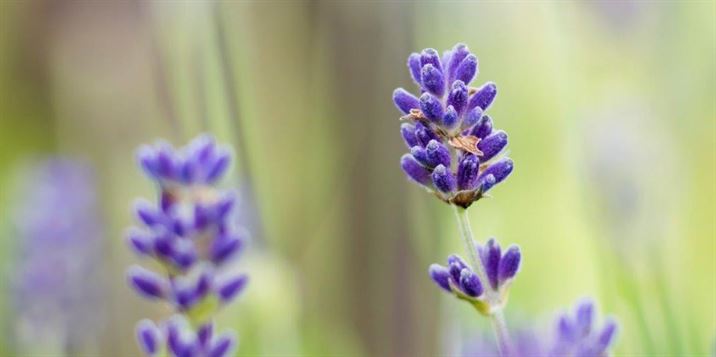
Native to the Mediterranean, this evergreen shrub has narrow silvery-green leaves and fragrant purple-blue flowers. It thrives in well-drained, sunny locations and is widely cultivated around the world. Loved by the bees at the physic garden, the flowers and leaves are rich in aromatic essential oils, particularly linalool and linalyl acetate, which are responsible for both its distinctive fragrance and many of its medicinal properties.
History and tradition
Lavender has been used for thousands of years as both a medicinal plant and a perfume. Ancient Egyptians placed it in tombs, while the Romans used it to scent their baths, giving rise to its name from the Latin lavare – to wash. The Greek physician Dioscorides recommended lavender for headaches, sore throats and digestive complaints, and by the sixteenth century English herbalists were describing it as a remedy for “all griefs and pains of the head and brain.”
Today, medical herbalists continue to use lavender to help relieve stress, anxiety, disturbed sleep and tension headaches, many of which are now supported by modern clinical research.
What does the clinical research show?
Lavender has the strongest bodies of controlled clinical evidence of any medicinal plant used for anxiety. Much of this research has used a standardised oral lavender essential oil preparation (Silexan®), allowing results to be compared consistently across studies.
- Large randomised, placebo-controlled clinical trials involving hundreds of people with anxiety disorders have shown that oral lavender essential oil significantly reduces symptoms of anxiety and nervous tension.
- Head-to-Head: In several studies, improvements were comparable to those seen with the benzodiazepine lorazepam or the antidepressant paroxetine, while maintaining an excellent safety profile and without evidence of dependence.
- Controlled clinical trials have also shown lavender to reduce situational anxiety before surgery and dental treatment, improve sleep quality when anxiety is present, and enhance overall wellbeing in people experiencing stress-related symptoms.
- Although lavender has also been investigated for depression, pain and cognitive function, its strongest clinical evidence so far is for reducing anxiety and promoting calm.
How does it work?
Laboratory research shows that lavender acts on several brain signalling pathways involved in anxiety and emotional wellbeing. Its major constituents, linalool and linalyl acetate, influence the brain’s calming (GABA) system, reduce excitatory glutamate signalling, and affect the serotonin and dopamine pathways involved in mood regulation.
Studies also suggest actions on calcium channels together with antioxidant and anti-inflammatory effects, which may contribute to lavender’s calming, pain-relieving and neuroprotective properties.
Key ingredients
Lavender essential oil contains more than forty naturally occurring compounds. The best studied are linalool and linalyl acetate, which are considered largely responsible for its calming effects. As with all medicinal plants the exact composition varies according to growing conditions, harvest time and extraction methods, highlighting the importance of using standardised preparations in clinical research.
How is it used?
The flowering tops are harvested just before full bloom, when the concentration of essential oil is highest. Lavender can be enjoyed as a tea, tincture or in cooking, while the essential oil is widely used in aromatherapy, baths and massage. The strongest clinical evidence, however, comes from standardised oral lavender essential oil preparations rather than homemade remedies. Our research involving sage for Alzheimer’s also used oral preparations of the essential oil.
Safety
Lavender is considered one of the safest medicinal plants when used appropriately. It is generally well tolerated and has an excellent safety record in clinical trials. Essential oil should not be taken internally unless as part of a professionally prepared medicinal product. As with many calming plants, caution is advised when combining lavender with other sedative medicines.
5. Chamomile - Matricaria chamomilla (German chamomile) and Chamaemelum nobile (Roman chamomile)
Chamomile is one of the world’s oldest and best-loved medicinal plants for calming. Long enjoyed as a calming herbal tea, chamomile combines centuries of traditional use with an increasingly robust body of clinical research. Controlled trials suggest that standardised chamomile extract can reduce symptoms of mild to moderate anxiety while maintaining an excellent safety profile, making it one of the medicinal plants with the strongest clinical evidence for promoting calm.
About the plant
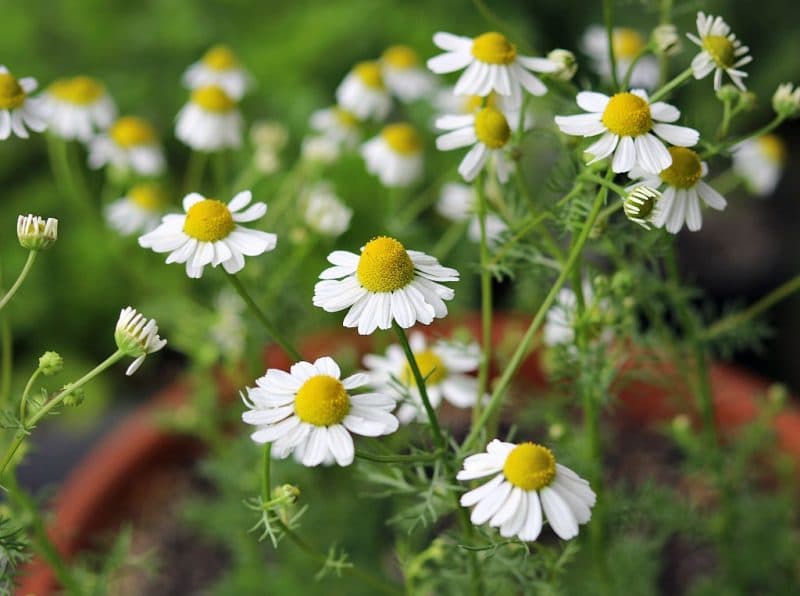
German chamomile (Matricaria chamomilla) and Roman chamomile (Chamaemelum nobile) belong to the daisy family and produce the familiar white petals surrounding bright yellow centres. Native to Europe but now cultivated worldwide, both species have been used medicinally for centuries, although German chamomile is the species most commonly investigated in clinical research. The flower heads contain a rich mixture of flavonoids and fragrant essential oils that give chamomile its distinctive apple-like aroma.
History and tradition
Chamomile has been used since ancient times as a medicinal herb to calm the mind, encourage restful sleep and soothe digestive complaints. In seventeenth-century England, the herbalist John Parkinson described it as benefiting both “the sick and the sound”, reflecting its long-standing reputation as a gentle remedy suitable for everyday use.
Today, chamomile remains one of the world’s most popular herbal teas and continues to be widely used by medical herbalists to relieve nervous tension, restlessness and disturbed sleep in children and adults.
What does the clinical research show?
Chamomile is the final of the best-studied medicinal plants for anxiety. Several randomised, placebo-controlled clinical trials have investigated standardised chamomile extracts in people with generalised anxiety disorder.
In one study involving 57 adults with mild to moderate generalised anxiety disorder, chamomile extract produced a significantly greater reduction in anxiety symptoms than placebo after eight weeks of treatment. Subsequent controlled trials have confirmed these findings, with participants continuing to show clinically meaningful improvements in anxiety symptoms while maintaining an excellent safety profile.
Longer-term research has also suggested that continuing chamomile treatment after an initial response may help reduce the risk of anxiety symptoms returning.
Chamomile has also been investigated for sleep. Some controlled trials suggest modest improvements in sleep quality, particularly where anxiety or stress contributes to disturbed sleep, although the evidence for anxiety is currently stronger than for insomnia itself.
Overall, the clinical evidence supports chamomile as a gentle but effective medicinal plant for reducing mild to moderate anxiety.
How does it work?
Laboratory studies show that chamomile, like the other medicinal plants, is a network pharmacology medicine, acting on several brain signalling pathways involved in relaxation. Its flavonoids, particularly apigenin, together with other constituents including chrysin, enhance the brain’s calming GABA signalling system, producing effects similar to, although milder than, benzodiazepines. Chamomile also has action on serotonin, dopamine, noradrenaline (MAO) neurotransmitter systems, and the hypothalamic-pituitary-adrenocortical (HPA) axis – lowering stress-induced plasma ACTH (adrenocorticotropic hormone) levels, that all contribute to chamomile’s calming and relaxing properties.
Chamomile also demonstrates antioxidant and anti-inflammatory properties, and constituents like chamazulene suppress pro-inflammatory cytokines (such as IL-6 and IFN-γ) while upregulating neurotrophic markers like BDNF (brain-derived neurotrophic factor.
Key ingredients
Chamomile contains a wide range of biologically active compounds, including the flavonoids apigenin, luteolin and chrysin, together with essential oil constituents such as α-bisabolol, chamazulene and pinene. These compounds contribute collectively, and by different ways, to its calming and anti-inflammatory actions.
How is it used?
The flower heads are most commonly prepared as a herbal tea, but chamomile is also available as tinctures, capsules, standardised extracts and as an essential oil in aromatherapy. The strongest clinical evidence comes from concentrated extracts rather than tea, although drinking chamomile tea remains a traditional and enjoyable way to promote relaxation. Two teabags three times a day is a medicinal level of chamomile.
Safety
Chamomile has an excellent safety record and is generally well tolerated. Allergic reactions can occur in people with allergies to plants in the daisy family. As with other calming herbs, it should be used cautiously alongside other sedative medicines.
General caution
Always consults your health care provider or medical herbalist before taking any medicinal plant at a medicinal level if you are trying to conceive, pregnant, giving to a child. taking any medication. have any medical condition or allergy, or are under medical supervision.
What about other calming medicinal plants?
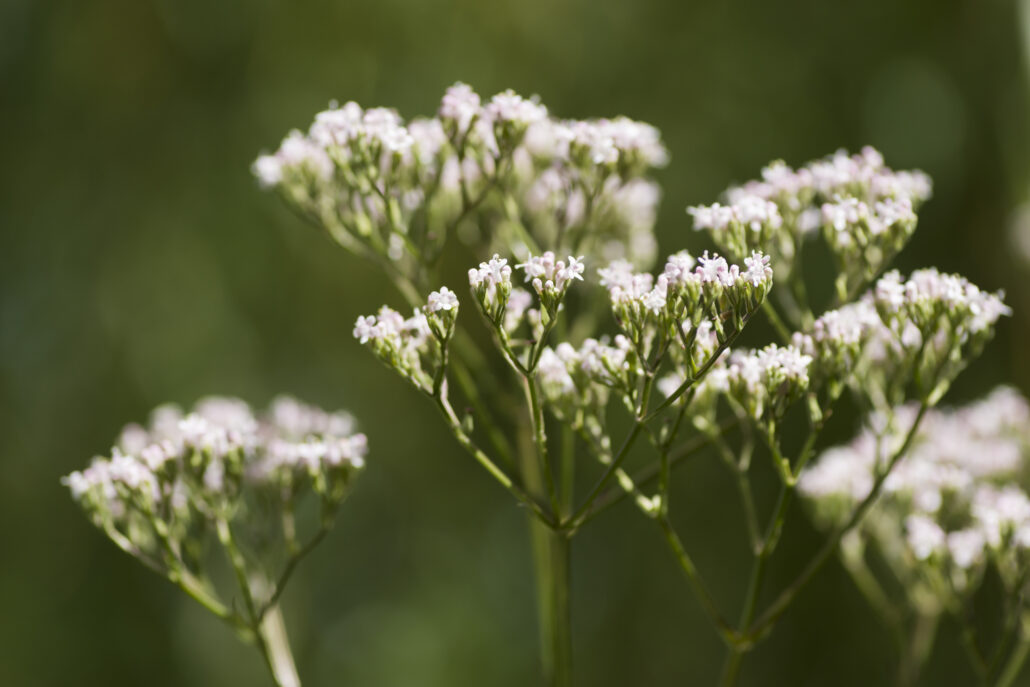
Lavender, ashwagandha, kava, passionflower and chamomile currently have some of the strongest bodies of controlled clinical evidence for relieving stress and anxiety. However, they are far from the only medicinal plants being investigated.
Traditional calming plants including lemon balm (Melissa officinalis), valerian (Valeriana officinalis), gotu kola (Centella asiatica), skullcap (Scutellaria lateriflora), hops (Humulus lupulus), motherwort (Leonurus cardiaca), bergamot (Citrus bergamia), bitter orange (Citrus aurantium), vervain (Verbena officinalis), and more, all have long histories of medicinal use and varying degrees of scientific support for anxiety. For some, early clinical studies are promising; for others, laboratory research is helping to explain their traditional reputation.
As research continues, our understanding of these remarkable plants, and how best to use them, will continue to grow. Check back to our resources page often for new updates – our new website is coming soon and it will have a Resources page and a Plant Encyclopaedia.
